

Global oil markets are facing renewed uncertainty after Iran warned that crude prices could soar to $200 per barrel if the ongoing conflict involving the United States and Israel continues to destabilize the Middle East.
Speaking on Wednesday, Ebrahim Zolfaqari, spokesperson for Iran’s Khatam al-Anbiya military command headquarters, cautioned that the escalating bombing campaign against Iran could trigger a major shock in global energy markets.
According to him, the international community should prepare for the possibility of dramatically higher oil prices as regional security deteriorates.
The warning comes shortly after reports that an Iranian drone strike targeted Oman’s largest oil storage facility, further heightening tensions across the region.
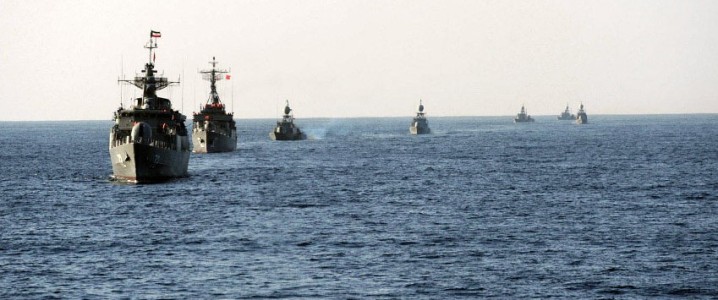
Tehran has also issued a strong warning regarding the Strait of Hormuz, declaring that no oil shipments will be allowed to pass through the strategic waterway until attacks against Iran stop.
The Strait of Hormuz, located between Iran and Oman, is one of the most important energy corridors in the world. Roughly 20 percent of global oil supply and a significant portion of liquefied natural gas shipments pass through the narrow channel each day. Any disruption there could severely impact global energy markets.
Oil prices have already shown signs of volatility amid the growing tensions. Brent crude briefly climbed to about $120 per barrel earlier this week before easing back toward the $90 range after U.S. President Donald Trump suggested the conflict might soon de-escalate.
However, fresh attacks on shipping and oil infrastructure have quickly revived concerns that supply disruptions could push prices much higher.
Security incidents in the Persian Gulf have also increased in recent days. Maritime authorities and ship-tracking firms report a rising number of attacks on commercial vessels operating near the Strait of Hormuz, with several ships reportedly struck in the latest wave of incidents.
As a result, tanker movements through the region have begun slowing as shipping companies and insurers reassess the risks associated with passing through the corridor.
Energy analysts say the conflict is increasingly turning into a battle over the Middle East’s critical oil supply network, with strikes now targeting ports, storage terminals, shipping routes and export infrastructure across the region.
If tensions continue to escalate and oil flows through the Strait of Hormuz are disrupted, analysts warn that global markets could face one of the most significant energy shocks in decades.