

President John Dramani Mahama has raised concerns about the potential economic consequences for African countries amid escalating hostilities involving the United States, Israel and Iran.
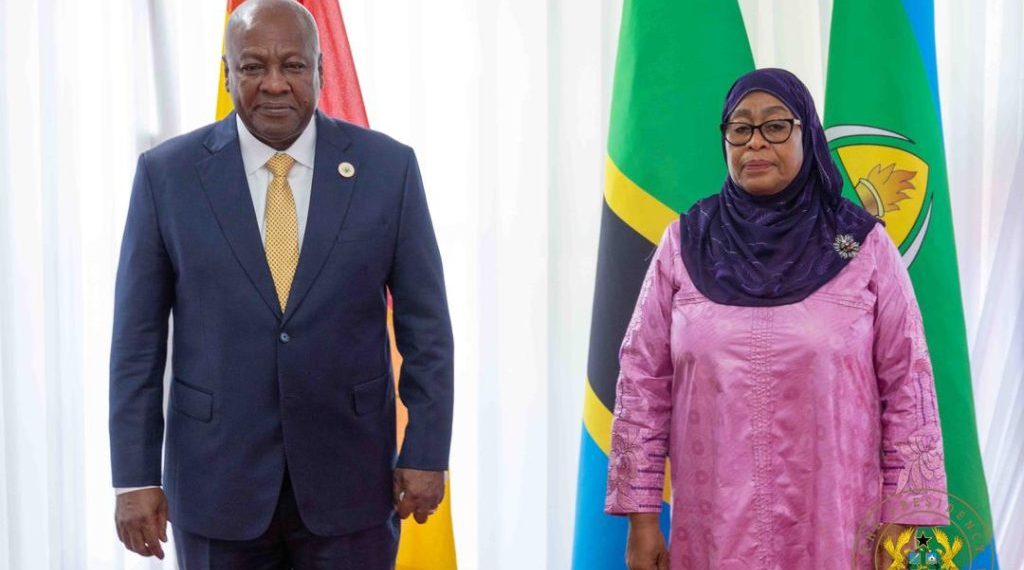
Speaking during a bilateral meeting with Tanzanian President Samia Suluhu Hassan at the State House in Arusha on March 2, 2026, Mahama cautioned that growing instability in the Middle East could expose African economies to serious external shocks.
Describing the Middle East as the heart of global oil production, Mahama warned that any prolonged conflict in the region could disrupt energy markets and trigger sharp increases in crude oil prices. He noted that such developments would have immediate and far-reaching implications for many African nations, particularly those that rely heavily on imported refined petroleum products to power their industries, transportation systems and households.
His comments come amid rising tensions between the United States, Israel and Iran, marked by growing military exchanges and retaliatory actions across parts of the Gulf region. The crisis follows months of strained relations between Israel and Iran, largely centred on concerns over Iran’s nuclear ambitions and its alleged backing of armed groups in the region.
The United States, a longstanding ally of Israel, has reinforced its military presence in the Gulf, citing threats to maritime trade routes and regional stability. Iran, in response, has accused both Israel and the United States of hostile actions and has reportedly carried out missile and drone strikes targeting strategic locations.
Particular concern has been directed at the Strait of Hormuz, a critical maritime passage through which a significant share of the world’s oil exports passes. Any disruption in this corridor, analysts warn, could further tighten global supply and accelerate price hikes.
International crude oil prices have already shown upward movement amid the uncertainty. Market observers caution that a sustained spike in energy costs would likely intensify inflationary pressures, widen fiscal deficits and complicate economic recovery efforts across energy-importing African economies.
Mahama urged African leaders to remain vigilant and prepare policy responses that can cushion their economies against potential volatility stemming from the unfolding geopolitical crisis.