


Liverpool Football Club has announced record revenue of £703 million ($947.8 million) for the 2024–25 season, alongside a modest profit after tax of £8 million. The figures represent a significant turnaround from the previous campaign, when the club recorded a pre-tax loss of £57 million following a season without Champions League football.
The improved financial performance reflects growth across all major revenue streams during a campaign that saw Liverpool crowned Premier League champions under manager Arne Slot. Overall revenue increased by £89 million, representing a 14.5 percent rise compared to the previous season.
Media revenue experienced the largest jump, climbing by £60 million to £264 million. The sharp increase was largely driven by the club’s return to the Champions League, where Liverpool progressed to the round of 16. This marked a clear contrast to the prior year, when participation in the less lucrative Europa League competition impacted earnings.
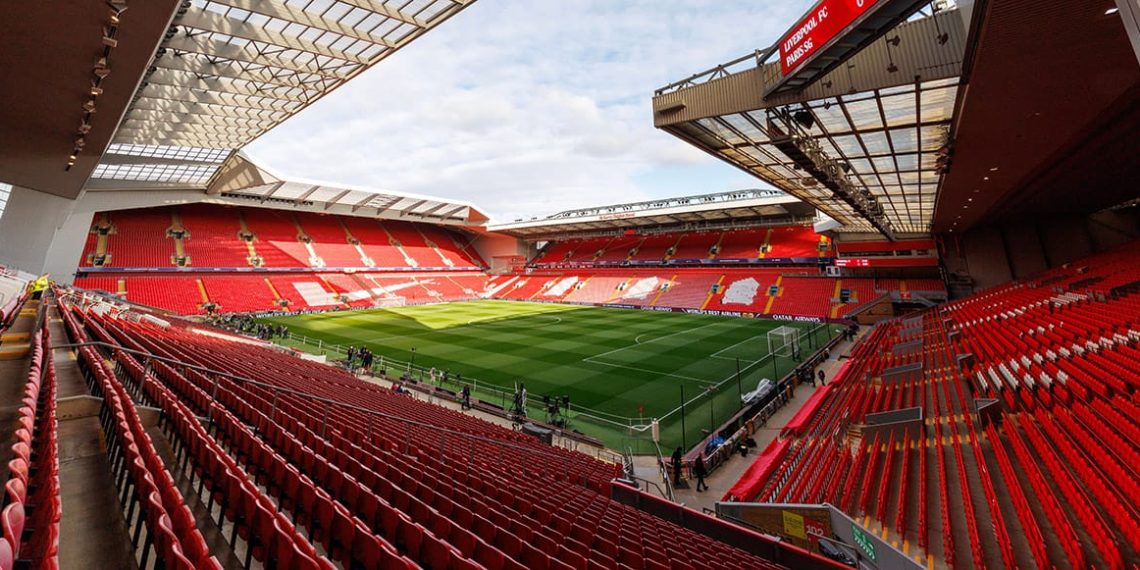
Matchday revenue also rose by £14 million to £116 million, supported by the redevelopment of the Anfield Road Stand, which expanded the capacity of Anfield Stadium to 61,000 seats. Commercial income increased by £15 million to £323 million, boosted by new partnerships with Japan Airlines and Lucozade, as well as a renewed ten-year deal with Carlsberg. The club also recorded growth in e-commerce and digital engagement.
However, expenses rose alongside revenue. Liverpool’s wage bill increased by £42 million to £428 million, now the highest in the Premier League. The rise reflects performance bonuses linked to winning the club’s record-equalling 20th league title, as well as contract extensions for key players such as Mohamed Salah and Virgil van Dijk.
The club also invested heavily in recruitment, spending approximately £450 million on new signings. The full financial impact of that investment is expected to be reflected in the next reporting period. Operational costs remain a concern, with administrative and utility expenses having more than doubled over the past four years.
Liverpool’s debt position includes a £110 million loan from owners Fenway Sports Group, used to support infrastructure improvements at Anfield.
Chief Financial Officer Jenny Beacham said the results demonstrate the club’s ability to combine revenue growth with on-pitch success, while maintaining a focus on financial sustainability. She added that Liverpool remains committed to investing in both its men’s and women’s teams, as well as continuing its community initiatives through the LFC Foundation.
Despite rising costs, the latest accounts underline a season in which Liverpool successfully aligned sporting achievement with commercial strength, reinforcing its position among Europe’s elite clubs.