
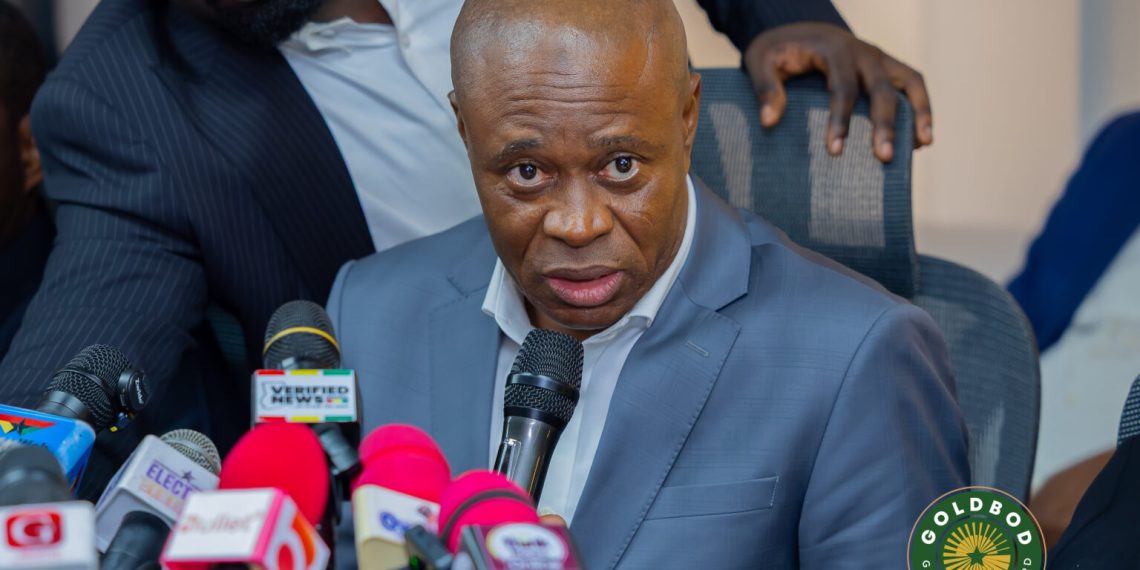
Ghana’s drive to add more value to its gold resources has received a major boost, with the Ministry of Lands and Natural Resources reaffirming its full support for the Ghana Gold Board (GoldBod) following a landmark refining agreement with Gold Coast Refinery Limited.
The agreement, which signals a shift away from exporting raw gold toward refining it locally, has been hailed as a turning point for the country’s gold industry and a key step in transforming how Ghana benefits from its mineral wealth.
Speaking at the signing ceremony on behalf of the Minister for Lands and Natural Resources, Emmanuel Armah-Kofi Buah, the Deputy Minister, Alhaji Yusuf Sulemana, praised the Government of Ghana, President John Mahama, the GoldBod Board, and its Chief Executive Officer, Sammy Gyamfi, Esq., for their leadership and commitment in bringing the deal to fruition.
According to him, the agreement is the result of sustained effort, patience, and collaboration among critical stakeholders in the mining sector.
“It hasn’t been easy, but today we have made it possible,” Alhaji Sulemana said. “We are committing ourselves fully so that whatever it takes, the Ministry of Lands and Natural Resources will play its role to ensure that this journey we have started bears the fruits we all desire.”
He also reassured investors of Ghana’s readiness to provide a safe, stable, and predictable environment for business, stressing the country’s continued appeal as a mining destination.
“Ghana remains a destination where you can do business without fear,” he added, thanking investors for their confidence in the sector.
The GoldBod–Gold Coast Refinery agreement represents a strategic shift in Ghana’s gold value chain. By prioritising local refining, the initiative is expected to create jobs, boost foreign exchange earnings, and strengthen Ghana’s standing in the global gold market.
At the heart of this progress is the close collaboration between GoldBod and the Ministry of Lands and Natural Resources. In recent years, both institutions have worked hand in hand to align mineral governance, regulatory oversight, and value addition goals. Their joint efforts have focused on reducing raw gold exports, improving traceability, strengthening compliance with international sourcing standards, and ensuring the country retains a greater share of the economic value from its gold resources.
While GoldBod spearheads the commercial and operational side of domestic gold trading and refining, the Ministry continues to play a critical role through licensing, sector coordination, and investor engagement. Together, they are positioning local gold refining as a cornerstone of Ghana’s mining policy.
Beyond immediate economic gains, the broader objective is long-term industrial growth creating skilled jobs, building local expertise, and laying the foundation for a more resilient and value-driven gold sector that works for Ghana and its people.