
Ghana’s inflation rate continued its downward trend in March 2026, offering fresh signs that the country’s macroeconomic environment is steadily stabilising and becoming more predictable for businesses and investors.
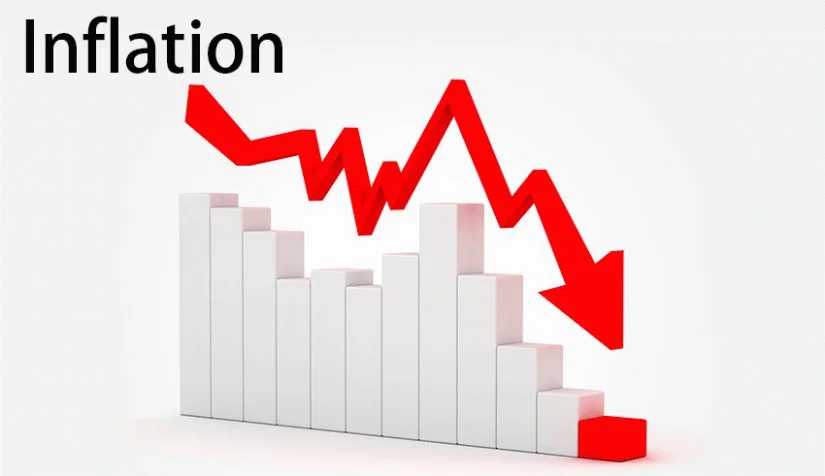
According to new data from the Ghana Statistical Service, year-on-year inflation eased to 3.2% in March, slightly down from 3.3% recorded in February. This marks a significant drop from the 22.4% recorded in the same period last year, highlighting one of the sharpest disinflation trends in recent times.
The latest figure also represents the lowest inflation level since the rebasing of the Consumer Price Index in 2021. More importantly, it extends Ghana’s disinflation streak to 15 consecutive months, pointing to a sustained easing of price pressures across the economy.
Despite this progress, prices are still rising, albeit at a slower pace. On a month-on-month basis, inflation inched up by 0.1%, indicating that while inflation is declining, the cost of living has not completely stopped increasing.
Food prices, which heavily impact household spending, brought some relief. Food inflation dipped slightly to 2.3% from 2.4% in February, with prices in the category falling by 0.3% over the month. This is expected to support consumer spending and improve real incomes in the short term.
Non-food inflation also slowed marginally to 3.9%. However, prices in this category rose by 0.3% month-on-month, suggesting that some cost pressures remain outside the food sector.
A major driver behind the overall decline in inflation was the sharp slowdown in goods prices. Inflation for goods dropped significantly to 1.7% in March from 3.2% in February, with prices falling by 1.0% over the month. Given the strong influence of goods in the inflation basket, this decline is likely to ease pressure on retail prices and improve business margins.
In contrast, the services sector is emerging as a new source of concern. Inflation in services surged to 7.2% in March, nearly doubling from 3.7% in February. This increase reflects persistent cost pressures in areas such as transport, education, and hospitality, and could become a key focus for policymakers going forward.
There are also shifting dynamics in the sources of inflation. Imported inflation dropped into negative territory at -0.6%, reflecting easing global price pressures and a more stable exchange rate. However, inflation for locally produced goods rose to 4.9%, indicating that domestic cost factors continue to drive price increases.
Across the country, inflation trends vary widely. The North East Region recorded the highest inflation rate, while the Savannah Region experienced a sharp decline in prices, with inflation falling to -4.6%. These differences are largely linked to disparities in supply chains, transport costs, and market access.
Overall, the continued decline in inflation is expected to boost purchasing power, reduce uncertainty for businesses, and support Ghana’s economic recovery. While the trend strengthens the case for possible policy easing, rising service costs and persistent domestic pressures suggest that the fight against inflation is not yet over.
Source: Ghana Statistical Service