

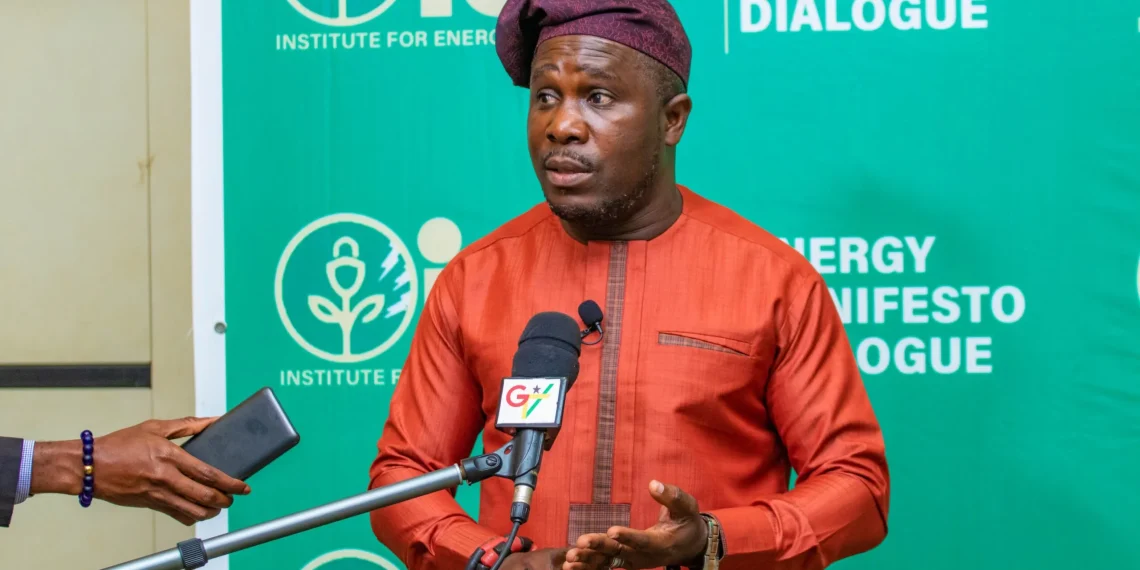
The Institute for Energy Security (IES) has called on the government to suspend the Price Stabilisation and Recovery Levy (PSRL) on diesel in the next petroleum pricing window, warning that rising global oil prices are likely to push pump prices higher and worsen the burden on consumers.
In a statement issued on March 15, 2026, the energy policy think tank said tensions in the international oil market, coupled with supply uncertainties, continue to drive up petroleum prices worldwide. These developments, it noted, are already feeding into domestic fuel costs in Ghana through higher import prices, freight risks, and market volatility.
IES projected that both petrol and diesel prices could rise in the second pricing window of March. Although the relative stability of the cedi has helped cushion some of the impact, the group said households and businesses are still expected to face increasing financial pressure.
According to the Institute, temporarily removing the PSRL on diesel would offer meaningful relief without jeopardizing the financial health of the energy sector. The levy, which forms part of Ghana’s fuel pricing structure, was originally designed to help stabilize prices allowing government to ease costs when global prices surge and rebuild reserves when prices fall.
IES argued that suspending the levy now would align with that purpose, since fuel prices remain elevated. While acknowledging that the reduction per litre may appear small, the Institute stressed that the broader effect across transport, food prices, and production costs could help slow inflation.
The group also cautioned that other levies embedded in fuel prices play important roles in sustaining the energy sector, making a targeted suspension of the PSRL a balanced solution that supports consumers without undermining sector financing.
Beyond the levy issue, IES praised ongoing efforts to maintain transparency in fuel pricing and urged authorities to strengthen the country’s energy resilience. It highlighted the need for better fuel storage management, improvements in domestic refining capacity, and greater efficiency across the downstream petroleum industry to reduce Ghana’s vulnerability to global market shocks.