

Ghana is taking a bold step toward transforming its education system with the introduction of artificial intelligence tools designed to work in local languages, following a new partnership between the Government of Ghana and global technology giant, Google.
The initiative, announced by the Minister for Education, Haruna Iddrisu, is aimed at widening access to quality education, especially for learners in rural communities and persons living with disabilities. By integrating AI into teaching and learning, the programme seeks to break language barriers that have long limited educational outcomes for many students.
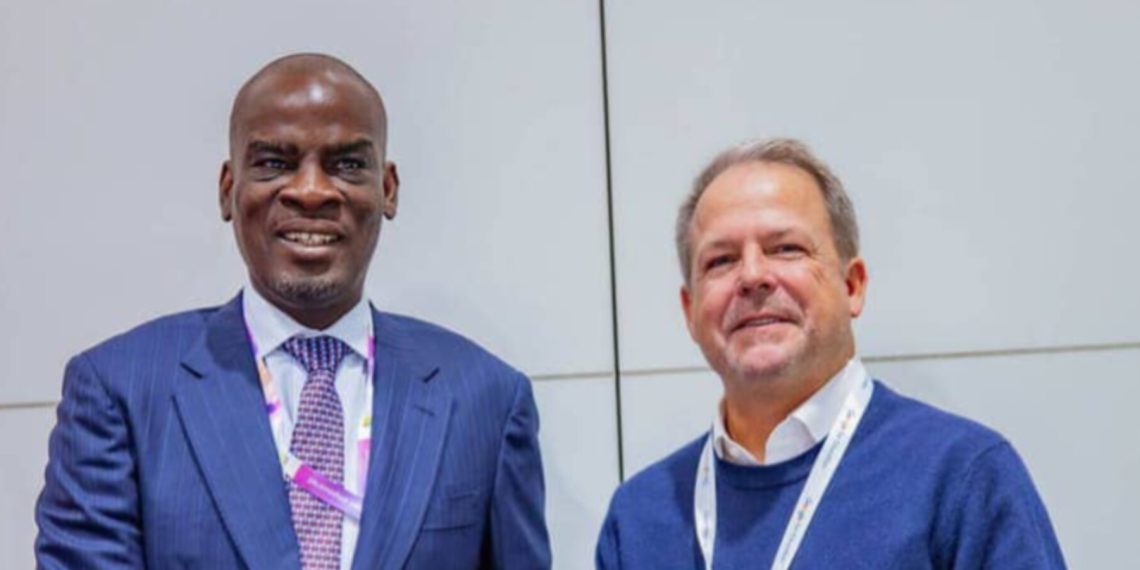
Mr Iddrisu revealed the development at the ongoing Generative AI Summit in the United Kingdom, where he held high-level discussions with Google’s Vice President on how technology can be leveraged to strengthen education delivery in Ghana and across the African continent.
“Yesterday, I had a fruitful engagement with the Vice President of Google, where ideas were shared to improve the quality of education in Ghana and Africa as a whole,” the Minister said.
As part of the partnership, Google is working with the University of Ghana and the Ghana Digital Innovation (GDI) Hub to develop speech recognition systems and AI-powered learning tools in key Ghanaian languages, including Twi, Ewe and Dagbani. A major focus of the project is the inclusion of non-standard speech patterns, a move expected to significantly improve accessibility in both education and digital public services.
The Education Minister also advocated for the addition of Hausa to the programme, noting that it is one of the most widely spoken languages in Ghana and the broader West African sub-region. According to him, incorporating Hausa would further promote inclusivity and enhance the regional impact of the initiative.
The partnership signals Ghana’s growing commitment to harnessing technology and innovation to create a more inclusive, modern, and effective education system one that reflects the country’s linguistic diversity and prepares learners for a digital future.