
Government has issued a firm directive to State-Owned Enterprises (SOEs) to improve their performance or risk being restructured, privatised, merged, or shut down as part of efforts to restore efficiency and strengthen fiscal discipline in the public sector.
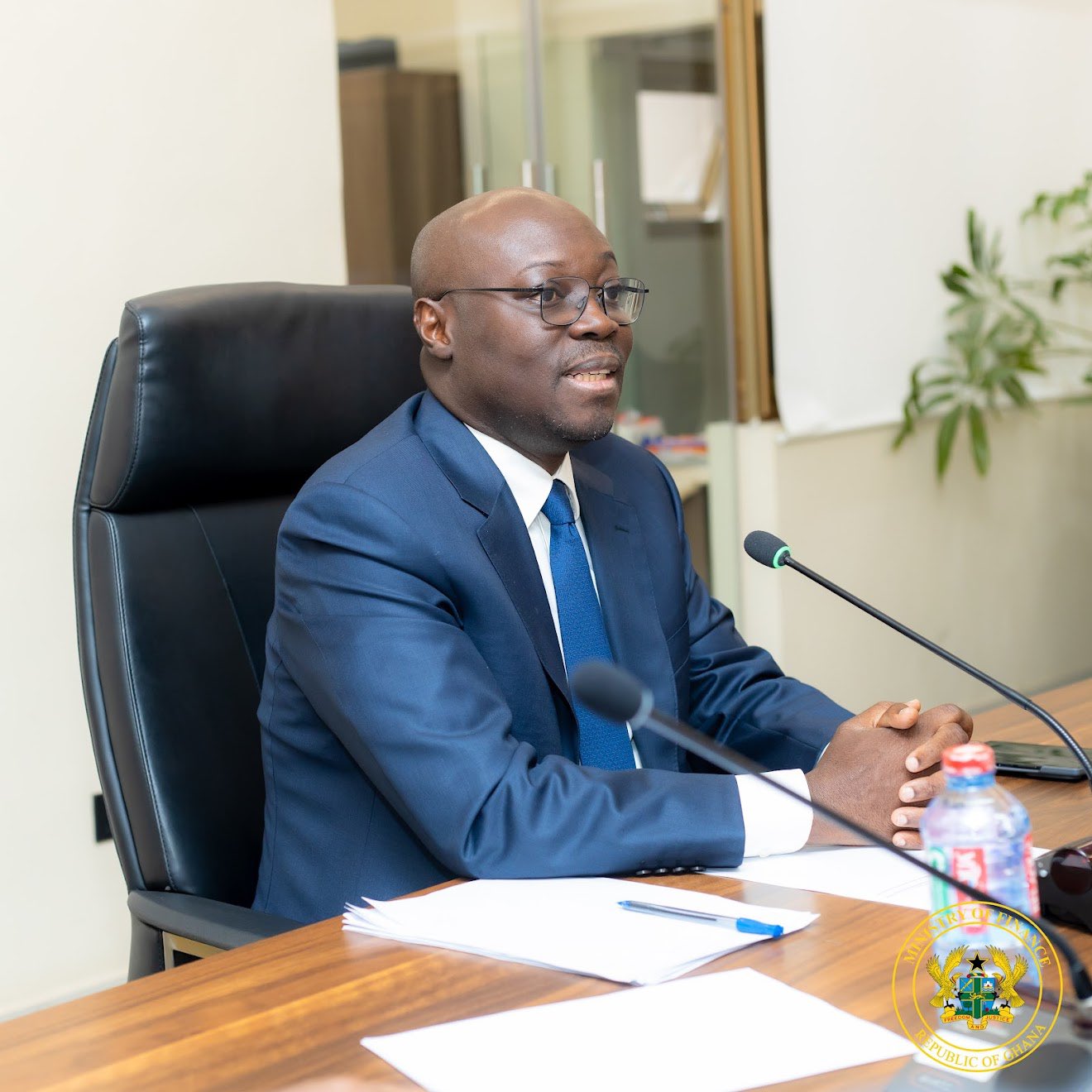
Delivering remarks on behalf of the Finance Minister at a high-level stakeholder engagement with SOEs and Specified Entities, Deputy Minister for Finance Thomas Nyarko Ampem said loss-making public enterprises will no longer be sustained by the state under the government’s economic reset agenda.
Addressing participants under the theme “Leveraging Public Assets for Shared Prosperity,” he noted that the country’s macroeconomic conditions have improved considerably, leaving little room for continued underperformance.
According to him, government policies have stabilised the economy and created a more supportive environment for businesses, including public enterprises, to operate effectively. He stressed that excuses for inefficiency can no longer be justified.
Reaffirming the administration’s policy direction, the Deputy Minister explained that underperforming SOEs will undergo reforms aimed at improving governance, strengthening financial discipline, and boosting operational efficiency. Entities that fail to turn around their performance may be merged with stronger institutions, privatised, or dissolved altogether.
He cited key economic improvements, including a sharp drop in inflation from 23.8 percent in January 2025 to 3.3 percent in February 2026, relative stability in the exchange rate, and a reduction in the Bank of Ghana’s policy rate, as indicators that the broader economy is on a recovery path.
Despite these gains, he warned that many SOEs continue to drain public resources rather than contribute to national revenue. He singled out the energy sector as a major concern, revealing that government has spent about $1.47 billion to cover operational shortfalls. The Electricity Company of Ghana, he said, still loses roughly 40 percent of power through technical challenges and commercial inefficiencies.
In the financial sector, government injected more than GH¢1 billion into the National Investment Bank and the Agricultural Development Bank in 2025 to stabilise their operations. Additionally, plans are underway to convert COCOBOD’s GH¢5.8 billion legacy debt into equity as part of efforts to clean up its balance sheet. He cautioned that such interventions pose significant risks to the national budget and cannot continue indefinitely.
Mr Ampem, however, acknowledged that some state enterprises have shown encouraging progress. He noted that the Ghana Ports and Harbours Authority, Ghana Reinsurance Company Limited, and TDC Ghana Limited collectively paid GH¢329.34 million in dividends to government in 2025, a substantial increase from GH¢28.7 million recorded in 2024. While describing the improvement as positive, he emphasised the need for sustained performance and strict compliance with governance standards.
He further stressed the importance of adhering to reporting requirements set by the State Interests and Governance Authority, warning that entities that fail to comply will face sanctions, with boards and management held personally accountable.
The Deputy Minister concluded by urging all state enterprises to operate with transparency, discipline, and efficiency, emphasising that public institutions exist to serve citizens and must deliver measurable value or risk being dissolved.