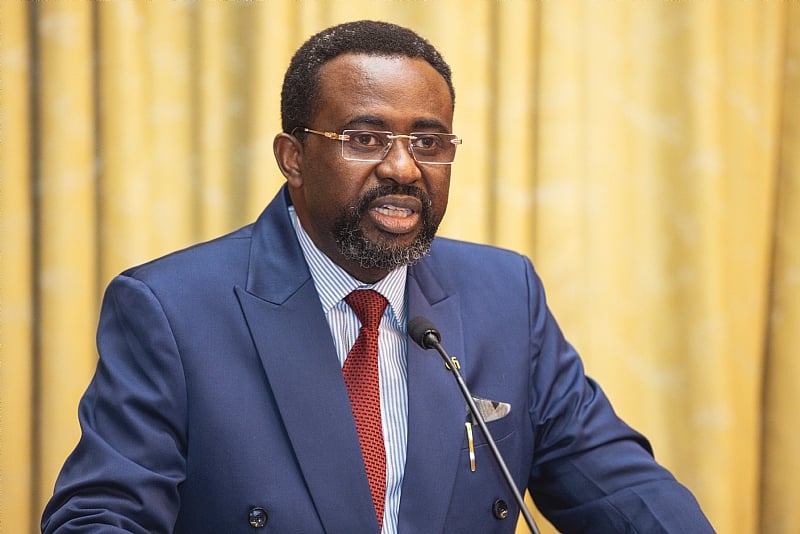



The Ghana Gold Board (GoldBod) is set to roll out a nationwide gold traceability programme, beginning with a pilot phase involving about 600 artisanal and small-scale mining (ASM) operations, in a bid to ensure that gold entering the formal market is responsibly and sustainably produced.
The Deputy Chief Executive Officer of GoldBod, Richard Nunekpeku, Esq., announced this on Tuesday, January 29, 2026, while speaking at the Africa Trade Summit 2026 held at the Kempinski Hotel in Accra.
According to him, the pilot initiative will serve as the foundation for a comprehensive traceability framework that will eventually cover all mining operations supplying gold into Ghana’s formal export and refining system. The programme, he noted, is a core component of GoldBod’s mandate to promote sustainability, transparency and compliance with international standards across the gold value chain.
“GoldBod will support up to 600 mines under the traceability project so that all gold supplied to the Gold Coast Refinery is traced to ensure it comes from sustainable mines,” Mr. Nunekpeku stated.
He explained that GoldBod was established under the Ghana Gold Board Act, 2025 (Act 1140) with responsibility for overseeing, monitoring and undertaking the buying, selling, assaying, refining and export of gold. The Board also plays a critical role in generating foreign exchange and supporting the accumulation of reserves by the Bank of Ghana.
Mr. Nunekpeku said GoldBod’s vision is to become a world-class gold trading organisation that drives sustainability, traceability and value addition to support Ghana’s economic transformation.
He traced the institution’s evolution from the Ghana Diamond Marketing Board, established in 1963, through its transformation into the Precious Minerals Marketing Company (PMMC), to its current status as the Ghana Gold Board, now operating with an expanded mandate and stronger regulatory authority.
Touching on performance, the Deputy CEO revealed that GoldBod exported approximately 100 tonnes of ASM gold in 2025, generating about US$10 billion in export earnings. He attributed this success to reforms in gold trading and licensing, as well as improved collaboration with stakeholders across the value chain, including buyers, refiners, jewellers and fabricators, under a centralised trading system.
Looking ahead, Mr. Nunekpeku said GoldBod will intensify efforts to formalise the ASM sector, promote responsible mining practices, expand local value addition and strengthen compliance with global standards.
He disclosed that the Board has signed a refinery agreement with Gold Coast Refinery and is engaging additional refineries to ensure that all ASM gold is refined locally. Local refining, he explained, will help Ghana retain refining fees, create jobs, reduce purity losses and deepen value retention within the economy.
As part of its expansion plans, GoldBod also intends to establish its own assay laboratory and further retool GoldBod Jewellery Limited, introducing new designs to enhance competitiveness in the jewellery market.
Mr. Nunekpeku added that GoldBod continues to support communities, institutions and individuals through its Special Intervention Programme Unit and broader Corporate Social Responsibility initiatives. The Board is also strengthening partnerships with international bodies, including the World Gold Council, to promote a sustainable and responsible ASM sector.
He expressed confidence that the traceability pilot, expanded refining capacity and strategic partnerships will enable GoldBod to generate even higher revenues for the country beyond its strong 2025 performance.