


Ghana has taken a significant step toward expanding climate and development financing after validating its revised Climate Prosperity Plan (CPP) at a high-level national workshop held in Accra.
The event was organised by the Ministry of Finance in collaboration with the Climate Vulnerable Forum Secretariat and brought together senior government officials, development partners, financial institutions and private sector leaders. The workshop provided a platform for stakeholders to review and endorse an updated investment and financing framework aimed at accelerating Ghana’s climate-resilient economic growth.
The revised Climate Prosperity Plan outlines a clear strategy for mobilising public, private and catalytic capital at scale. Among the financing options being explored are debt-for-climate and debt-for-nature swaps, carbon market transactions under Article 6 of the Paris Agreement, blended finance arrangements and stronger engagement with multilateral development banks to attract private sector investment.
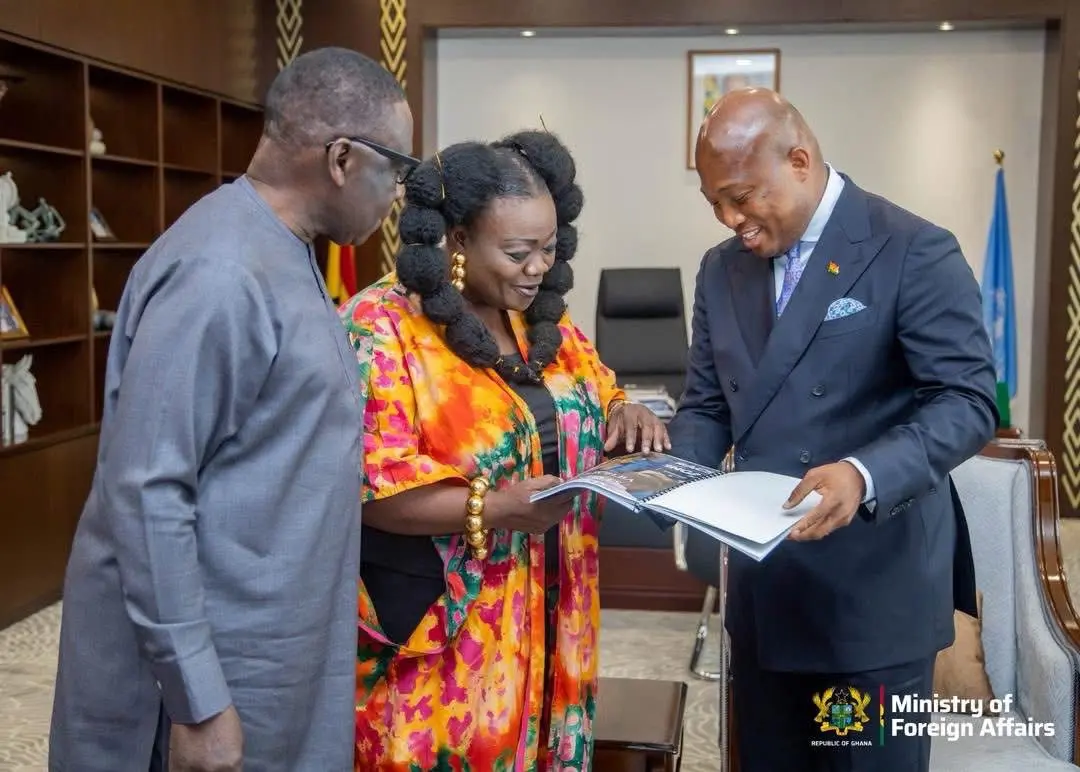
Addressing participants at the workshop, Mohamed Nasheed, former President of the Maldives and Secretary-General of the Climate Vulnerable Forum (CVF), praised Ghana for maintaining strong leadership in promoting climate prosperity even after its tenure as Chair of the CVF and the Vulnerable Twenty (V20) Group.
He noted that under Ghana’s leadership, the membership of the forum expanded from 56 to 68 countries. He also highlighted key institutional initiatives introduced during the period, including the Central Bank Governance Working Group, which was established to strengthen financial sector engagement on climate-related risks.
The updated Climate Prosperity Plan is built around six key pillars. These include sustainable industrialisation and value addition, accelerated deployment of renewable energy and green transport systems, climate-resilient health and water infrastructure, strengthened financial and economic resilience, sustainable food systems and nature-based solutions that protect ecosystems while supporting productive infrastructure.
Officials explained that the revised plan is closely aligned with Ghana’s broader economic transformation agenda. This includes major national initiatives such as the 24-Hour Economy policy, the Accelerated Export Development Programme and the Big Push infrastructure programme. According to officials, aligning climate investments with these national priorities ensures that climate action contributes directly to economic growth rather than existing as a separate environmental agenda.
Participants at the workshop also discussed implementation strategies, including governance structures, institutional coordination and monitoring systems that will track capital mobilisation and development outcomes. Feedback from stakeholders has been compiled into an action matrix that will guide final adjustments and support the operational rollout of the plan under the leadership of the Ministry of Finance.
With climate risks increasing and fiscal pressures mounting, the validated Climate Prosperity Plan is expected to provide Ghana with a structured platform to engage international climate funds, development finance institutions and private investors.
Beyond mobilising resources, the framework aims to position climate action as a driver of industrial growth, job creation, capital formation and long-term economic resilience.
As the Climate Vulnerable Forum now comprises 68 member states, Ghana’s updated Climate Prosperity Plan could also serve as a model for other climate-vulnerable countries seeking to shift from managing climate risks to using climate action as a pathway for economic transformation.