
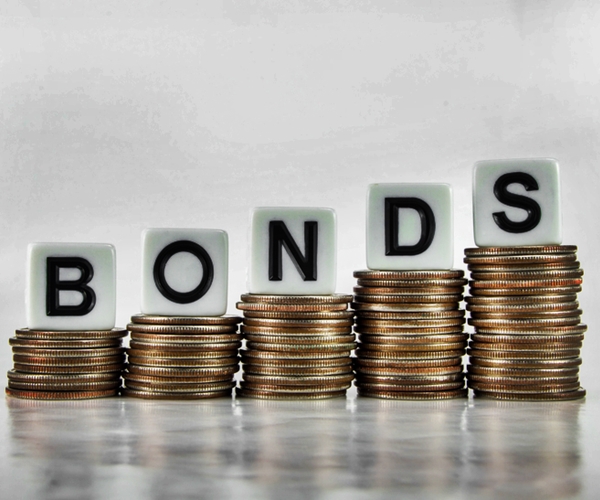
The Government of Ghana is set to re-enter the domestic debt market next week with the issuance of a seven-year cedi-denominated bond its first such move since the country’s 2022 debt default.
According to officials, the bond sale will open on March 30 with initial pricing guidance and close on April 1. The issuance forms part of efforts to finance the national budget while rebuilding investor confidence after the economic turmoil that forced a restructuring of local debt.
Authorities are optimistic that improved economic conditions will attract buyers. Inflation has slowed dramatically to about 3.3 percent one of the lowest levels recorded in decades while the central bank has reduced its policy rate by 14 percentage points since July, bringing it down to 14 percent. These developments have lowered borrowing costs and helped stabilize the local currency.
Analysts say, however, that falling market rates may limit the bond’s appeal to some foreign investors seeking higher returns. Even so, Ghana remains attractive to overseas investors looking to diversify their portfolios, particularly as the country’s economic indicators show signs of recovery.
A surge in global gold prices has also strengthened Ghana’s financial position. As Africa’s largest gold producer, the country has benefited from increased export earnings, allowing the central bank to rebuild foreign exchange reserves and support the cedi.
The Finance Ministry says the return to local borrowing is intended to restore a structured domestic funding programme. Beyond raising funds, the government hopes the bond will help rebuild the sovereign yield curve, expand investment opportunities for both institutional and retail investors, and signal renewed stability to the financial markets.