

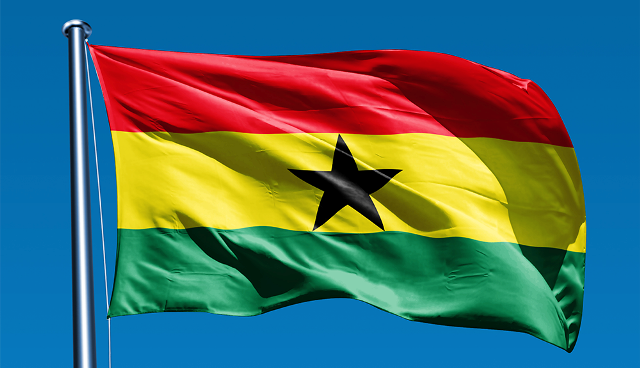
Ghana has emerged as Africa’s highest-improving digital economy in 2025, following strong gains recorded in the latest assessment by the GSMA.
The recognition was announced at the GSMA Ministerial Programme during the Mobile World Congress in Barcelona, Spain, where GSMA Intelligence presented findings from its 2025 Digital Africa Index framework.
Presenting the report on March 2, 2026, Senior Director of Economics at GSMA Intelligence, Kalvin Bahia, described Ghana as the top-performing improver on the continent across the composite index structure. He noted that Ghana is one of only five African countries to surpass the 50 per cent composite score threshold a benchmark associated with more advanced and enabling digital ecosystems.
The assessment is based on two key indicators: the Digital Nations and Society Index (DNSI), which measures how digital technologies are adopted by consumers, businesses and governments; and the Digital Policy and Regulatory Index (DPRI), which evaluates the quality, implementation and impact of digital policy and regulatory frameworks.
According to the report, Ghana recorded the strongest year-on-year improvement among African economies in 2025, driven by measurable progress in digital adoption and regulatory effectiveness.
Two major policy reforms were identified as central to Ghana’s accelerated gains the adoption of technology neutrality in spectrum licensing and the repeal of the Electronic Transfer Levy (E-Levy).
Under the technology-neutral licensing framework, telecom operators were permitted to refarm existing spectrum bands, including 900 MHz, 1800 MHz and 2100 MHz, for advanced mobile broadband services. Extending neutrality to all operators in 2025 improved spectrum efficiency, enhanced network quality and accelerated 4G expansion. The reform also reduced regulatory distortions, strengthened competition and boosted investor confidence in the telecommunications sector.
GSMA indicated that the move directly improved Ghana’s DPRI score, particularly under regulatory design and market competitiveness indicators.
The repeal of the E-Levy in 2025 was also linked to increased mobile money usage and higher digital transaction volumes. The report noted that removing the levy reduced reliance on cash, improved consumer confidence in digital payments and strengthened financial inclusion. This positively impacted Ghana’s DNSI performance, especially in digital financial inclusion and consumer adoption metrics.
Addressing ministers and industry leaders in Barcelona, Mr. Bahia stressed that Africa’s digital progress depends not only on expanding infrastructure but also on implementing enabling policy frameworks that unlock adoption and innovation.
In a statement, the Ministry of Communication, Digital Technology and Innovation said Ghana’s performance demonstrates the measurable impact of regulatory reform, the importance of affordability in driving adoption, and the value of aligning spectrum policy with evolving market realities.
By recording the highest improvement in Africa and joining the group of countries scoring above 50 per cent on the composite index, Ghana has strengthened its position as one of West Africa’s leading digital reformers. The Ministry added that continued emphasis on regulatory modernisation, infrastructure flexibility and inclusive digital finance is expected to consolidate the country’s gains in future editions of the GSMA indices.