

Ghana has taken a significant step toward advancing its 24-Hour Economy agenda with the signing of a strategic Memorandum of Understanding (MoU) between the Ghana Investment Promotion Centre (GIPC) and the China–Africa Economic and Trade Promotion Council (CAETP).
The agreement establishes the China–Ghana Economic and Cooperation Project Programme, a structured platform designed to deepen investment promotion, enhance investor engagement, and coordinate project development between Chinese enterprises and Ghanaian stakeholders.
The programme is expected to improve deal flow and accelerate the development of bankable projects aligned with Ghana’s long-term growth objectives, while reinforcing GIPC’s commitment to proactive, institution-driven investment promotion and sustained engagement with strategic partners in China.
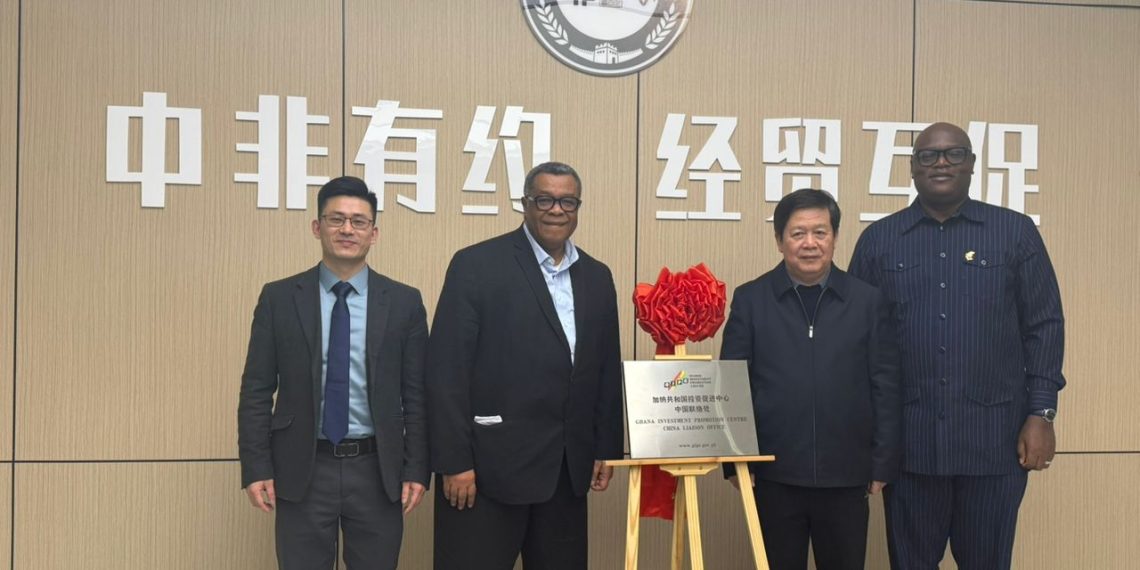
The MoU was signed during the China–Ghana Economic and Trade Cooperation Project Promotion Conference, alongside the inauguration of the GIPC China Liaison Office. The event formed part of a broader Ghana–China Delegation Mission led by the 24-Hour Economy Secretariat (24H+) and strategically coordinated by the Presidential Advisor on the 24-Hour Economy, Mr Augustus Tanoh.
The mission brought together key public institutions, including the National Development Planning Commission (NDPC), the Ministry of Finance, the Ministry of Fisheries and Aquaculture Development, the Ministry of Tourism, Culture and Creative Arts, the Ghana Export Promotion Authority (GEPA), and the Ghana Infrastructure Investment Fund (GIIF).
According to officials, the mission—part investment promotion and part study tour—builds on President John Dramani Mahama’s visit to China last year and reflects Ghana’s determination to translate high-level diplomatic engagements into tangible investment partnerships.
As part of the programme, the Ghanaian delegation presented specific 24H+ projects, particularly those within the Volta Economic Corridor (VEC), to Chinese investors. This provided an opportunity for more detailed project discussions than is typically possible at presidential investment forums.
The engagement also opened avenues for collaboration with Chinese public research institutions to accelerate and sustain the implementation of the President’s 24-Hour Economy initiative.
The study tour further aims to give the delegation a deeper understanding of China’s development model and assess which strategies could be adapted to Ghana’s context. Areas of interest include how China has structured relationships between the state, foreign capital, and indigenous small and medium-sized enterprises, as well as how it has addressed ecological challenges.
Key technologies under review include affordable irrigation systems, AI-driven agro-ecology solutions, and large-scale off-grid renewable energy systems.
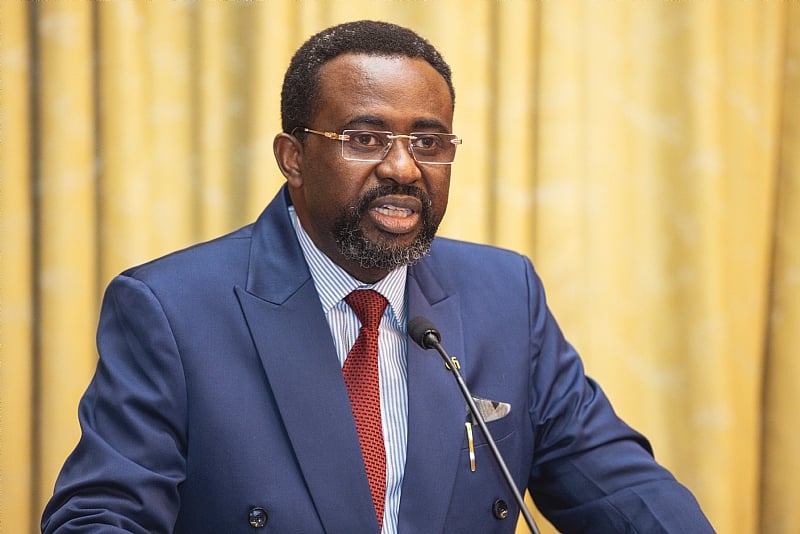
Under the leadership of GIPC Chief Executive Officer, Mr Simon Madjie, engagements with the Chinese business community focused on positioning Ghana as a competitive and investor-ready destination. He outlined Ghana’s investment entry processes, sector-specific opportunities, and government measures aimed at reducing transaction costs, improving the ease of doing business, and strengthening investor confidence across priority sectors.
The Deputy Chief Executive Officer of GEPA, Mr Ambrose Nsarkoh, also supported investor engagements with presentations highlighting Ghana’s export potential, trade facilitation mechanisms, and access to regional and international markets.
Overall, the mission aligns with Ghana’s broader industrialisation and economic transformation agenda, which prioritises private-sector-led investment, value-chain development, and sustainable job creation under the 24-Hour Economy framework.