

Leaders of the Group of Seven (G7) nations are set to hold an emergency meeting on Monday as global oil prices surge and stock markets tumble amid the escalating conflict involving the United States, Israel and Iran.
Finance ministers from the world’s leading industrialised economies, including UK Chancellor Rachel Reeves, are expected to discuss the growing economic impact of the war and possible measures to stabilise global energy markets.
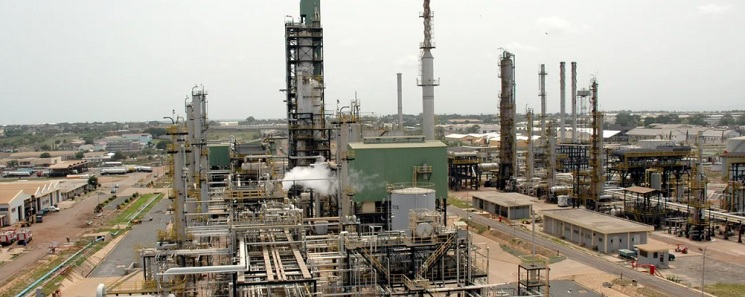
The meeting comes as crude oil prices climbed above $100 per barrel, driven by fears that the conflict could disrupt oil shipments through the Strait of Hormuz — one of the world’s most critical energy transit routes. Nearly one-fifth of the global oil supply typically passes through the narrow waterway.
On Monday morning, Brent crude briefly jumped by more than 25 percent to around $119.50 per barrel before easing back to about $107. US West Texas Intermediate crude also surged, trading at roughly $104 per barrel.
According to reports by the Financial Times, the G7 discussions may include the possibility of a coordinated release of emergency oil reserves by members of the International Energy Agency (IEA). If implemented, it would mark the first such coordinated action since 2022, when reserves were released following Russia’s invasion of Ukraine.
The escalating conflict has significantly disrupted maritime activity in the Gulf region, with shipping through the Strait of Hormuz reportedly slowing to a near standstill since the fighting intensified more than a week ago.
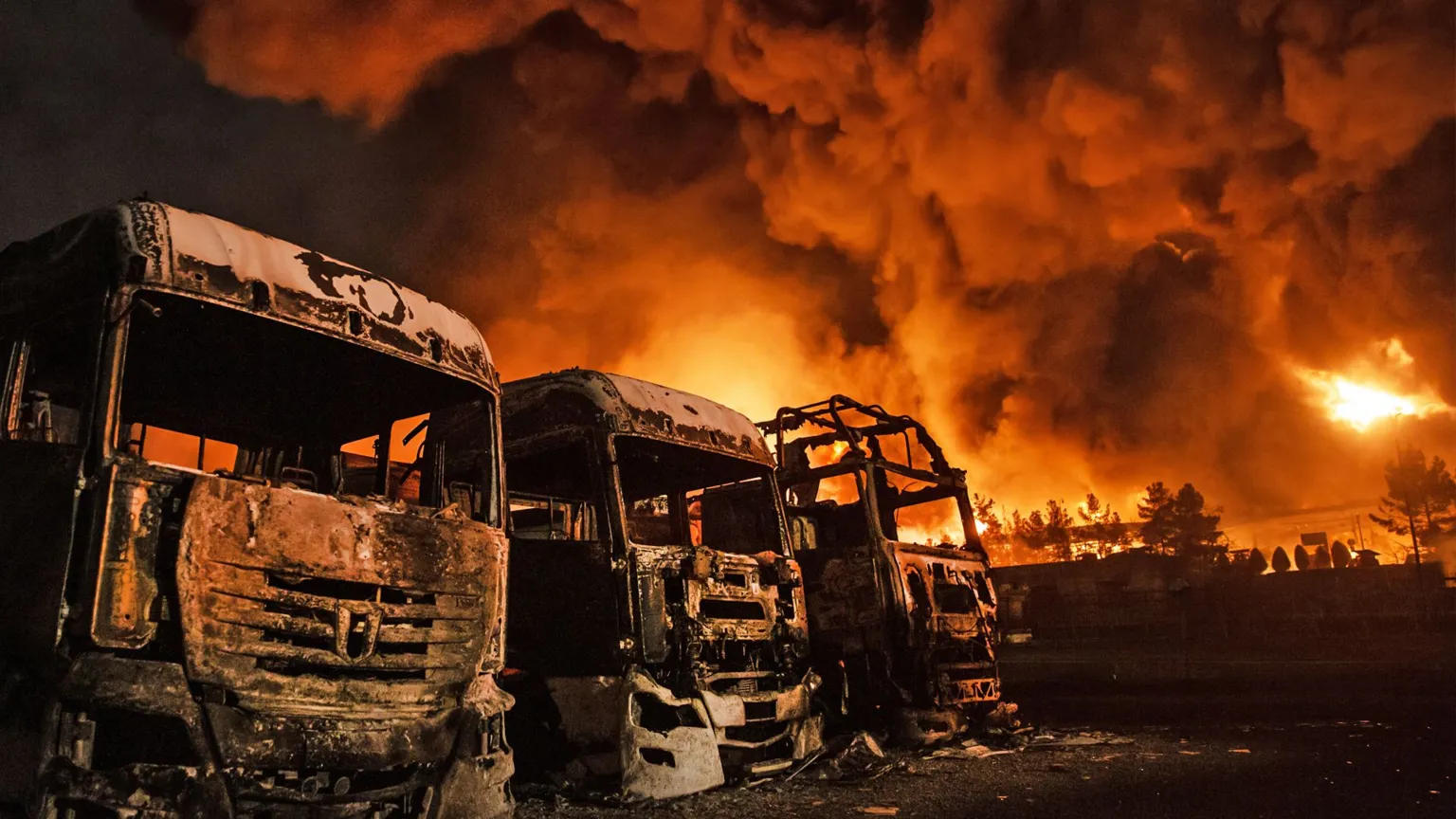
Over the weekend, tensions deepened as the United States and Israel launched fresh airstrikes across Iran, targeting multiple locations including oil depots. Iran, in response, reportedly struck energy infrastructure in neighbouring Gulf states.
Saudi Arabia announced that its air defence systems intercepted and destroyed two waves of drones that were heading toward a major oilfield overnight.
The political situation in Iran has also taken a dramatic turn. On Sunday, the country announced Mojtaba Khamenei as the new Supreme Leader, succeeding his father Ali Khamenei a development that signals hardliners remain firmly in control despite the ongoing conflict.
The rising tensions have rattled global financial markets. European stocks opened lower, following sharp declines earlier in Asian markets. Germany’s DAX index fell by 1.6 percent while France’s CAC 40 dropped about 2 percent. In London, the FTSE 100 slipped 1.3 percent, although oil companies such as BP and Shell recorded gains due to the surge in crude prices.
Asian markets experienced even steeper losses. Japan’s Nikkei 225 index dropped 5.2 percent, while South Korea’s Kospi index closed down 6 percent. Trading on the Kospi was briefly halted for 20 minutes after a circuit breaker was triggered to curb panic selling.
Gas prices have also surged sharply. In the United Kingdom, month-ahead gas prices jumped nearly 25 percent to 171 pence per therm at the start of trading before easing slightly. Despite the spike, prices remain well below the peak seen in 2022 after Russia’s invasion of Ukraine.
Analysts warn that the duration of the conflict will be a key factor in determining how high energy prices climb.
Paul Gooden, head of natural resources at NinetyOne Asset Management, said markets are increasingly nervous about prolonged disruption to oil supplies.
“The longer the conflict lasts, the more nervous the oil markets will become,” he said, noting that prices could temporarily rise to between $120 and $150 per barrel before demand begins to decline.
Economists also warn that prolonged high oil prices could push inflation higher globally, making it harder for central banks to cut interest rates as previously expected.
US President Donald Trump, however, has downplayed concerns about the price surge. In a post on his Truth Social platform, he argued that any short-term increase in oil prices would be worth it if the conflict eliminates what he described as Iran’s nuclear threat.
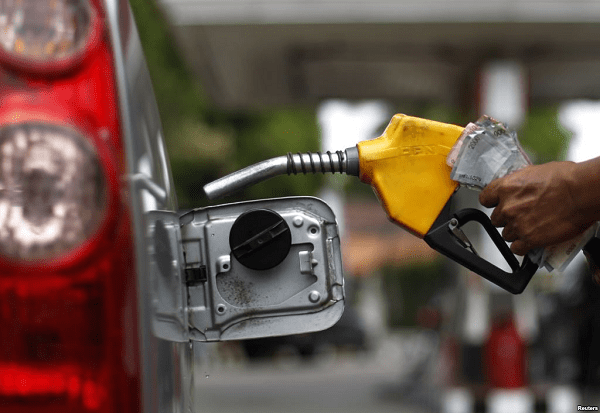
Meanwhile, the rising tensions have already begun to affect fuel prices in the United States. Data from the motorists’ group AAA shows the average price of regular gasoline increased by 11 percent last week to $3.32 per gallon.
As the war continues to escalate, global markets are bracing for further volatility, with investors closely watching whether the G7 and the International Energy Agency will intervene to stabilise oil supplies.
Source: BBC