

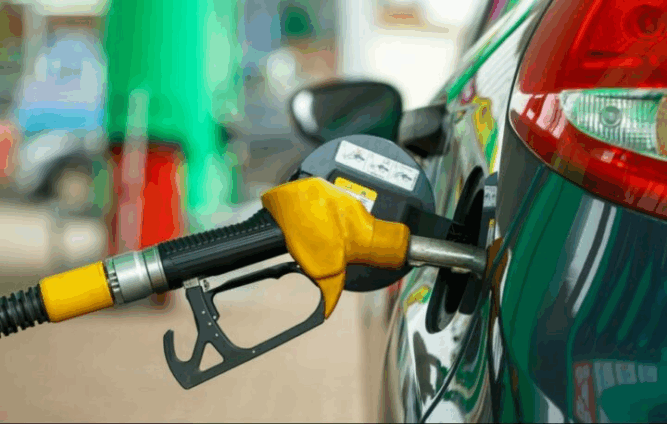
Fuel prices across Ghana are expected to increase from February 1, 2026, following a depreciation of the Ghanaian cedi and a surge in international crude oil prices.
This is according to the latest outlook report released by the Chamber of Oil Marketing Companies (COMAC), which guides pricing decisions for oil marketing companies. The report, sighted by Joy Business, indicates that this will be the first upward adjustment in fuel prices this year.
The anticipated increase has been largely driven by pressure on the cedi since the beginning of January. The local currency has weakened amid heightened demand for foreign exchange as businesses restock for the year and multinational firms remit funds abroad to meet dividend obligations.
Data from the Bank of Ghana’s January Economic and Financial Report show that the cedi depreciated by about 4 per cent against the US dollar during the period.
According to COMAC projections, petrol prices are expected to rise by up to 2.10 per cent per litre, pushing average pump prices to around GH¢11.48 per litre. Diesel prices are projected to increase by between 4.00 and 5.10 per cent, with a litre likely to sell at approximately GH¢12.77.
Liquefied Petroleum Gas (LPG) is also expected to record a marginal increase of 0.61 per cent, bringing the price to about GH¢13.50 per kilogram.
COMAC explained that the projected adjustments are a direct result of both the cedi’s depreciation and rising crude oil prices on the international market. Crude oil prices jumped sharply during the review period, climbing from about $64 per barrel to nearly $70 per barrel within two days.
For the February 1 pricing window, the cedi weakened slightly from GH¢10.90 to GH¢10.98, representing a 0.77 per cent depreciation. Despite these pressures, COMAC said it has received assurances from the Bank of Ghana that it remains committed to maintaining price stability while supporting overall economic growth.
The report also noted that crude oil prices surged again in early February, rising from approximately $62.50 per barrel to $67.40 per barrel. COMAC attributed the rebound to disruptions in Kazakh oil exports, tighter global energy market conditions, and renewed threats by the United States towards Iran.
In line with rising crude prices, international refined petroleum product prices have also increased. Petrol prices rose by 2.12 per cent, diesel by 6.73 per cent, while LPG prices recorded a 3.66 per cent increase during the period under review.
However, despite the projected hikes, COMAC noted that strong competition within the downstream petroleum sector could compel some oil marketing companies to maintain current pump prices.
Petroleum pricing has become increasingly critical for oil marketing companies over the past two years, given its significant impact on sales volumes, market share, profitability, and revenue. Industry sources suggest that some companies may delay implementing price increases from February 1, opting instead to monitor how major market players respond before making adjustments.
COMAC data also showed that during the previous pricing window January 16 to January 31 Zen Petroleum sold petrol at the lowest market price of GH¢9.94 per litre, slightly above the industry’s price floor of GH¢9.80.