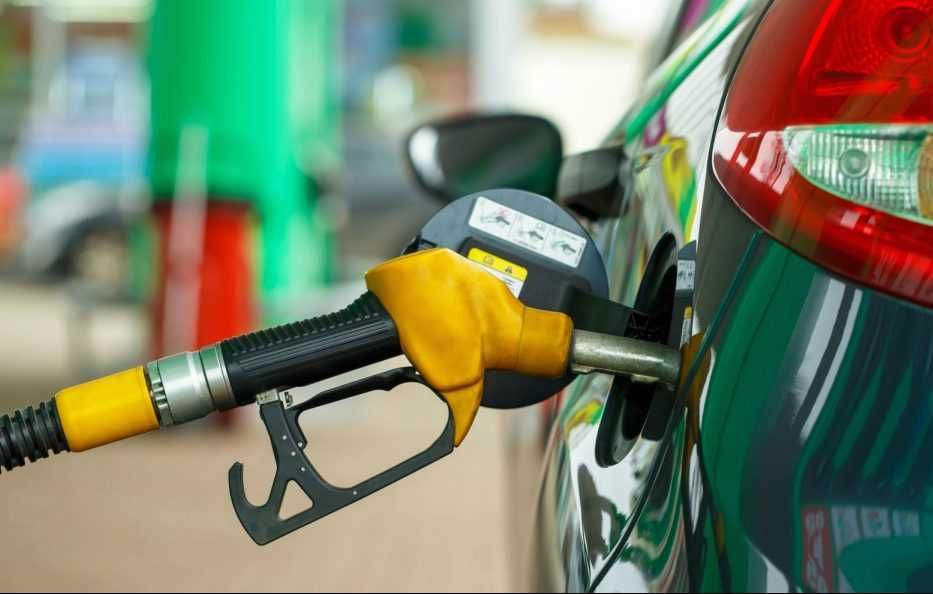


Fuel prices are expected to edge up slightly from February 16, 2026, as pressures from a weakening cedi and rising international oil prices begin to reflect at the pumps.
According to the Chamber of Oil Marketing Companies (COMAC), which provides pricing guidance to oil marketing companies (OMCs), this will mark the second projected increase in fuel prices this year. The anticipated adjustments follow renewed volatility in the foreign exchange market and sustained increases in global crude and refined petroleum prices.
COMAC attributes the recent strain on the Ghanaian cedi to heightened demand for foreign exchange at the start of the year, as businesses restock and some multinational firms repatriate dividends. Data from the Bank of Ghana show that the cedi depreciated by about 4 per cent against the US dollar in January 2026, while figures from some commercial banks put the depreciation slightly higher at around 4.16 per cent.
For the upcoming pricing window, petrol prices are projected to rise by up to 1.97 per cent, pushing the price per litre to around GH¢11.97. Diesel is expected to increase by 2.73 per cent to about GH¢13.09 per litre, while Liquefied Petroleum Gas (LPG) could go up by 3.26 per cent to roughly GH¢13.93 per kilogram.
Despite these projections, COMAC notes that an oversupply of refined petroleum products on the local market may help moderate the increases, resulting in only marginal adjustments at the pumps.
The Chamber explains that the expected hikes are largely linked to both currency depreciation and developments on the international market. During the February 1 pricing window, the cedi slipped from GH¢10.90 to GH¢10.98 to the US dollar, representing a 0.77 per cent decline. Globally, crude oil prices have climbed by more than 5 per cent and are trading close to US$70 per barrel. Prices of finished petroleum products have also increased, with petrol up 4.17 per cent, gas oil by 5.57 per cent, and LPG by 6.18 per cent.
COMAC says it has received assurances from the central bank that it remains committed to maintaining price stability while supporting economic growth. It also notes that strong competition within the downstream petroleum sector could influence final pump prices, as some OMCs may choose to delay adjustments while monitoring decisions by major market players.
Ahead of the new pricing window, the Chamber has reminded OMCs and LPG marketing companies to comply strictly with the approved price floors under the Petroleum Products Pricing Guidelines. Based on a notice from the National Petroleum Authority (NPA), the minimum ex-pump prices are GH¢10.24 per litre for petrol (PMS), GH¢11.34 per litre for diesel (AGO), GH¢9.43 per kilogram for LPG, GH¢10.45 per litre for MGO Local, and GH¢9.21 per litre for kerosene.
COMAC clarified that these minimum prices exclude premiums charged by international oil trading companies, operating margins of bulk import, distribution and export companies, as well as marketers’ and dealers’ margins, which are determined independently in line with the pricing guidelines.
The Chamber stressed that strict adherence to the established price floors is critical to maintaining market stability, protecting consumers, and ensuring fairness across the downstream petroleum industry.