

What was meant to be a casual jab on social media has turned into a full-blown cultural moment, loud, proud, and unmistakably Ghanaian.
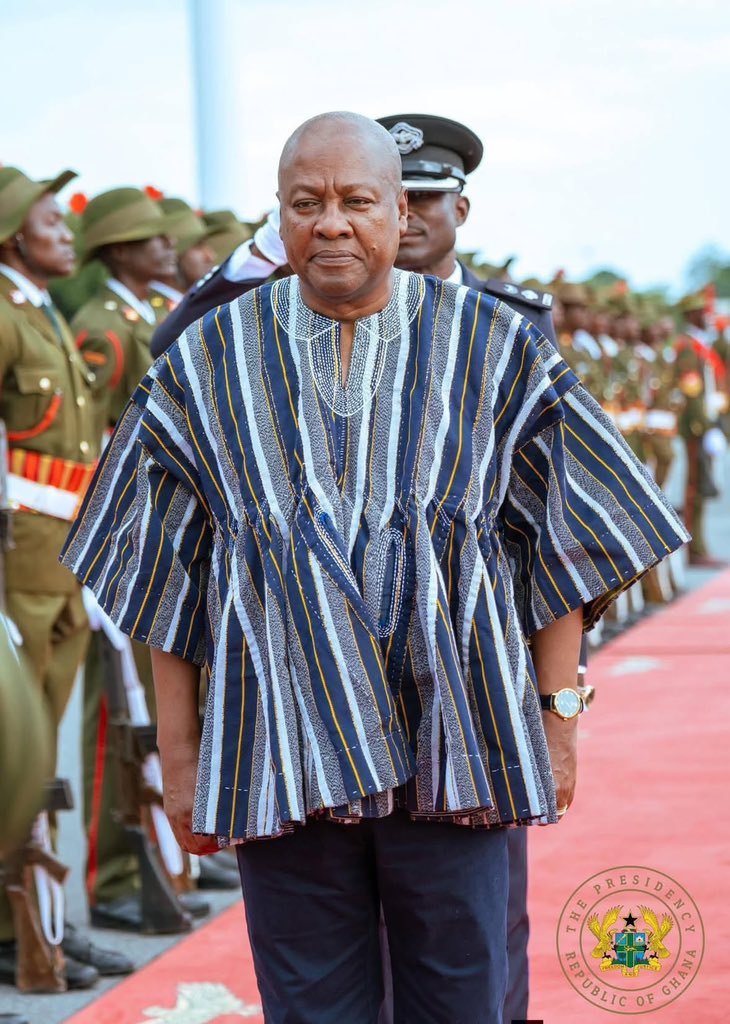
During President John Dramani Mahama’s recent state visit to Zambia, a social media user from Zambia mocked the outfit worn by the Ghanaian leader, calling it a “blouse.” That single word was enough to light a fire across Ghana’s digital space. Within hours, timelines were buzzing, group chats were alive, and one message was clear: Ghanaian culture is not up for ridicule.
The outfit in question was Fugu, also known as Batakari, a traditional smock from northern Ghana that carries history, identity, and pride in every thread. What some saw as a joke, Ghanaians saw as ignorance, and the response was swift, witty, and educational.

Instead of trading insults, many Ghanaians chose a better clapback: culture. Photos of people proudly dressed in Fugu flooded social media. From students to creatives, professionals to chiefs, everyone joined the moment. Fugu was no longer just trending; it was owning the timeline.
The conversation gained even more energy when popular Ghanaian YouTuber Wode Maya weighed in, explaining clearly that the president’s outfit was a deliberate choice to promote Ghanaian culture and local industry. His message struck home, especially the reminder that African leaders don’t need Western suits to look presidential. That line alone sparked deeper conversations about identity, confidence, and what leadership in Africa should really look like.
And suddenly, Fugu wasn’t just clothing; it became a statement.
For many, this moment felt long overdue. Fugu originates from the northern regions of Ghana, particularly among the Dagomba, Mamprusi, Gonja and other Mole-Dagbani communities. Traditionally, it was worn by warriors, elders, and royals, symbolising strength, wisdom, and authority. Made from handwoven strips of fabric carefully stitched together, each piece reflects patience, skill, and heritage passed down through generations.
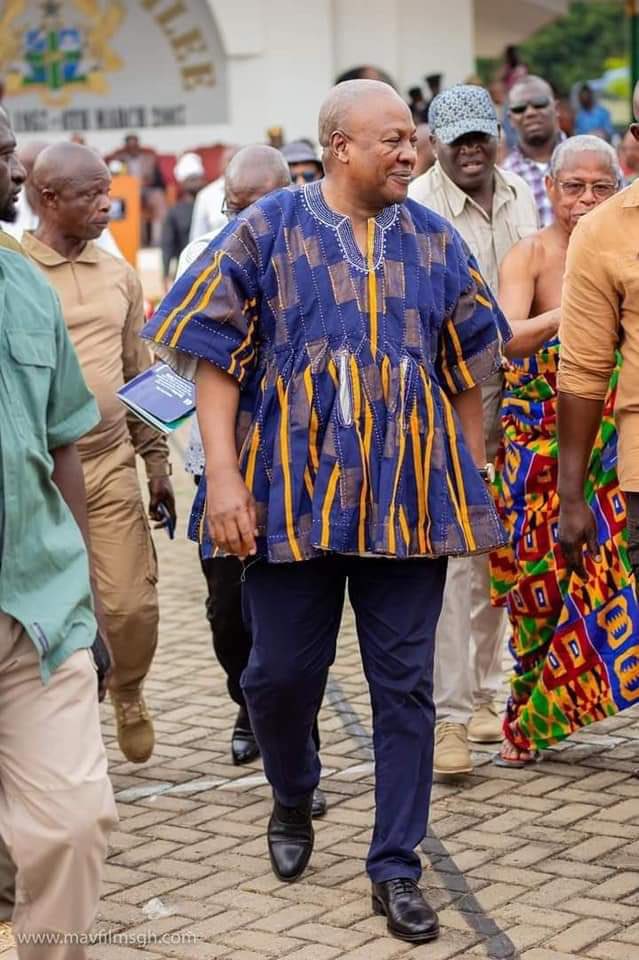
Over time, Fugu has evolved. What once stayed mostly in the north is now worn proudly across the country and beyond. It shows up at weddings, festivals, naming ceremonies, political events, and now international state visits. It has crossed regional and generational lines, becoming a national symbol rather than a regional one.
The beauty of this moment is how it flipped the narrative. A dismissive comment intended to mock ended up educating thousands, uniting Ghanaians, and giving northern culture a massive spotlight. Some even went as far as suggesting that Ghana should set aside a special day for wearing Fugu nationwide, not as a joke, but as a celebration.
And honestly, the vibes make sense.
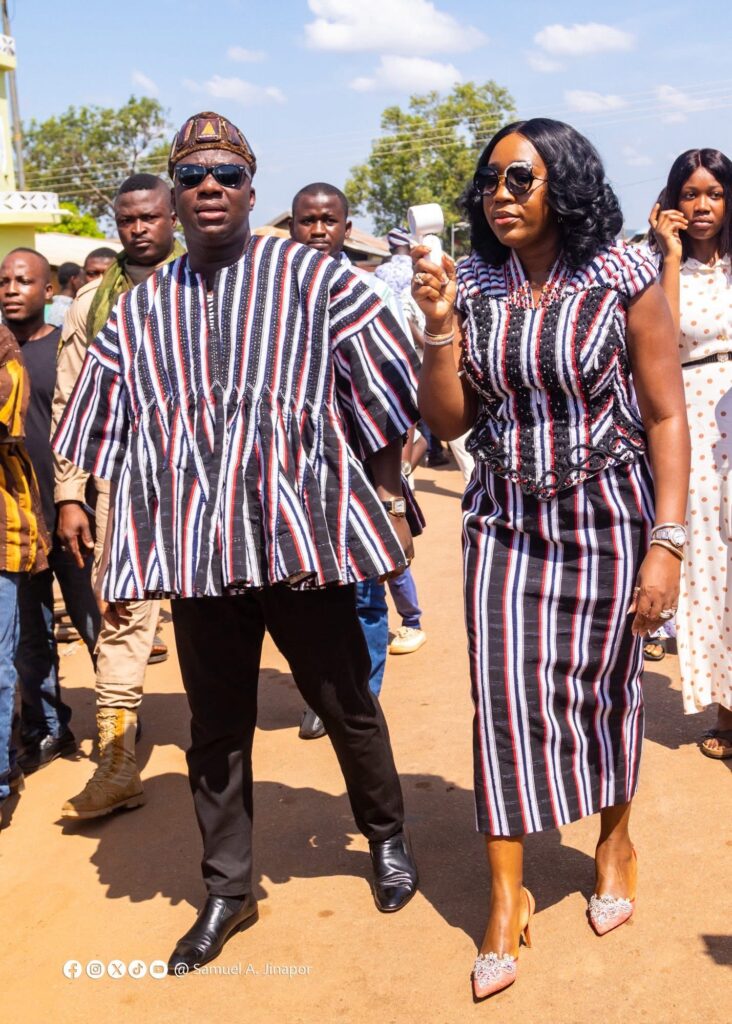
In a time when “Made in Africa” is more than a slogan, Fugu stands tall as proof that our traditions are not outdated; they are timeless. Wearing Fugu today is about pride, self-definition, and owning who we are without apology.
So no, it wasn’t a blouse.
It was Ghana showing up as Ghana.
And judging by the pride flooding social media, this Fugu wave is not slowing down anytime soon.
Written by Precious