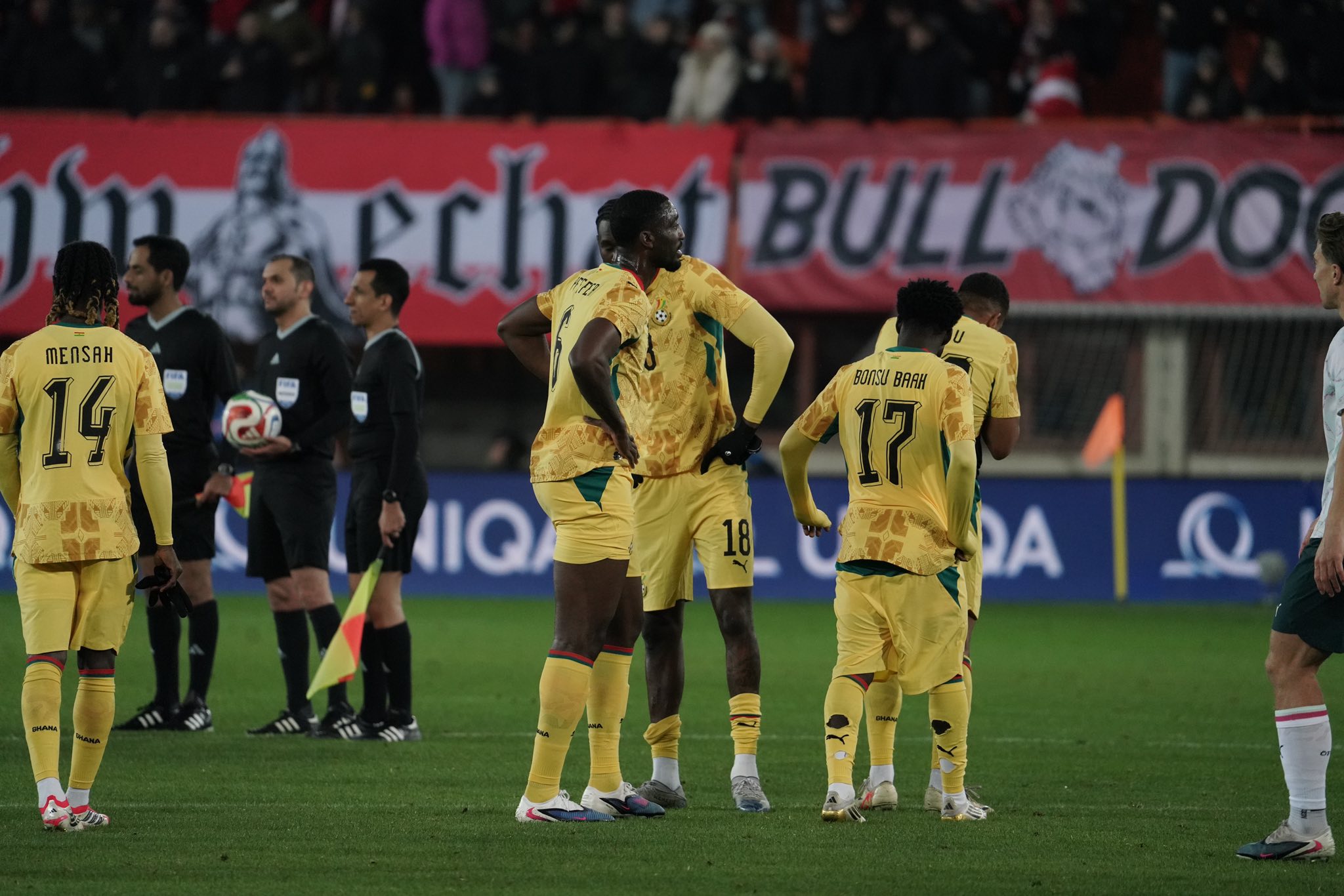


Global football governing body FIFA has approved a sweeping set of new regulations aimed at reducing time-wasting and improving the flow of matches, with full implementation set for the 2026 FIFA World Cup.
The decision comes amid growing concerns over delays caused by slow restarts, prolonged substitutions, and stoppages for minor injuries issues that have increasingly frustrated fans and disrupted the rhythm of games.
At the heart of the changes are four key rules designed to keep matches moving more efficiently.
For throw-ins and goal kicks, referees will now enforce a strict five-second countdown when they suspect deliberate delay. If the ball is not put back into play within that time, possession will be handed to the opposing team. In the case of goal kicks, failure to restart play promptly will result in a corner kick being awarded instead.
Substitutions will also be more tightly controlled. Players being taken off must leave the pitch within 10 seconds of the referee’s signal or the display of the substitution board. Any delay will not stop the substitution itself, but the incoming player will be forced to wait until the next stoppage—after at least one minute of play—before entering the field.
Injury management is also being revised. Players who receive treatment on the pitch or cause a stoppage due to injury will now be required to leave the field and remain off for at least one minute once play resumes. This is intended to discourage players from exaggerating injuries to slow the game.
Meanwhile, updates to the Video Assistant Referee (VAR) protocol will expand its scope. VAR will now be allowed to intervene in cases of clearly incorrect second yellow cards leading to red cards, mistaken identity in disciplinary decisions, and wrongly awarded corner kicks provided such reviews can be completed quickly without delaying the restart.
Beyond these immediate changes, FIFA also confirmed a series of amendments to the Laws of the Game for the 2026/27 season, which will take effect from July 1, 2026.
Among them, international friendly matches at senior level will now allow up to eight substitutions, with teams permitted to agree on increasing that number to as many as eleven. Equipment regulations have also been relaxed to permit non-dangerous items, as long as they are securely covered.
Referees may also be equipped with body cameras as part of competition-specific trials, offering a new perspective on decision-making and potentially improving transparency in officiating.
Other clarifications include updated guidance on dropped balls, rules surrounding accidental double touches during penalty kicks, and a key adjustment to advantage situations where a goal is scored after a foul denying a clear scoring opportunity, the offending player will no longer be cautioned.
With these reforms, FIFA is signaling a firm commitment to speeding up the game and enhancing fairness, as football prepares for a new era leading into the 2026 World Cup