

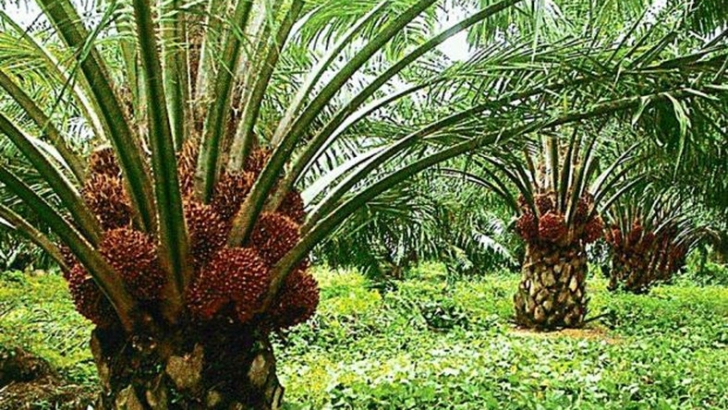
Efforts to revitalise Ghana’s struggling oil palm industry are gathering pace, as the Development Bank Ghana (DBG) begins consultations with key players across the sector following government’s ambitious $500 million financing plan.
The initiative, first announced by Finance Minister Dr. Cassiel Ato Forson during the presentation of the 2026 Budget Statement in November, is expected to be rolled out between 2026 and 2032. It forms part of a broader strategy to transform the oil palm value chain, reduce import dependence, and unlock large-scale employment opportunities.
At an Oil Palm Roundtable held in Accra on April 1, DBG Chief Executive Officer, Prof. Randolph Nsor-Ambala, revealed that the programme is designed to attract significant private sector participation while restructuring the industry into a more efficient and sustainable system.
According to him, the intervention could help bridge Ghana’s annual production deficit of about 200,000 tonnes, while creating more than 500,000 jobs across the value chain. However, he noted that over $1 billion in total investment would ultimately be required to fully develop the sector.
“The government’s plan creates real opportunities for private sector players,” Prof. Nsor-Ambala said, adding that the ongoing stakeholder engagements are aimed at developing a clear roadmap for collaboration and long-term growth.
Despite its potential, Ghana’s oil palm industry continues to face deep-rooted challenges. A Research Scientist at the CSIR-Oil Palm Research Institute, Dr. Frederick Sarpong, noted that the artisanal segment alone accounts for about 44 percent of domestic supply, yet struggles with low yields, limited access to modern technology, and inadequate financing.
He further highlighted issues such as seasonal production patterns, weak market linkages, and health, safety and environmental concerns, all of which contribute to low productivity and persistent poverty among smallholder farmers.
“These challenges create a cycle of low investment and reduced incomes,” he explained.
Even so, Dr. Sarpong stressed that the sector holds enormous promise. With strong domestic demand and the right mix of funding, technology, and policy support, Ghana could significantly boost local production, cut imports, and stimulate rural economic growth.
Also speaking at the event, President of the Palm Development Association, Paul Amaning, described the industry as a critical pillar of the economy, supporting more than one million livelihoods.
He warned, however, of a widening gap between local production and consumption, which continues to cost the country millions of dollars in imports each year.
While welcoming the $500 million intervention, Mr. Amaning emphasised that success would depend heavily on effective implementation and sustained commitment.
If executed properly, the initiative could mark a turning point for Ghana’s oil palm industry transforming it into a major driver of industrial growth, job creation, and economic resilience.